

Masgonzola is typically used for a mixture of cream cheese made with Gorgonzola and mascarpone. It should not be understood as the name of a particular cheese product with a specific composition that is protected by law. In practice, cheeses sold under the name “Gorgonzola e Mascarpone” are produced, which are prepared in alternating layers, and the addition of mascarpone allows to soften the flavor of the blue cheese.
This difference clarifies almost all of the ambiguity associated with the term.
If you search for Masgonzola and are expecting to find a famous Italian cheese with a single official recipe, you may well be disappointed. Try searching for the combination of Gorgonzola and mascarpone instead and the picture becomes much clearer.
So, what is Masgonzola?
Think of Masgonzola as a meeting point between two very different dairy foods.
It is actually a blue cheese, having both veining as well as the sharp as well as the yummy taste as well as generally comes with a specific trademark Italian character of a blue cheese. Mascarpone is of the reverse variety as it’s much creamier and tastes milky too.Both cheeses are combined in commercial products in different consistencies depending on the manufacturer.
This is evident from the list of ingredients. “Masgonzola” sounds like a blend of the words mascarpone and Gorgonzola.
However, there is one caveat.
What to consider about brand value When considering buying anything, the brand name is much less of a deciding factor than the results Google gave me, I bet! The physical item you receive may be Gorgonzola & Mascarpone, or Gorgonzola e Mascarpone, or Gorgonzola al Mascarpone.
And if you had been looking for “Masgonzola” on supermarket shelves, then maybe the issue is the name and not the cheese itself.
Is Masgonzola a real cheese?
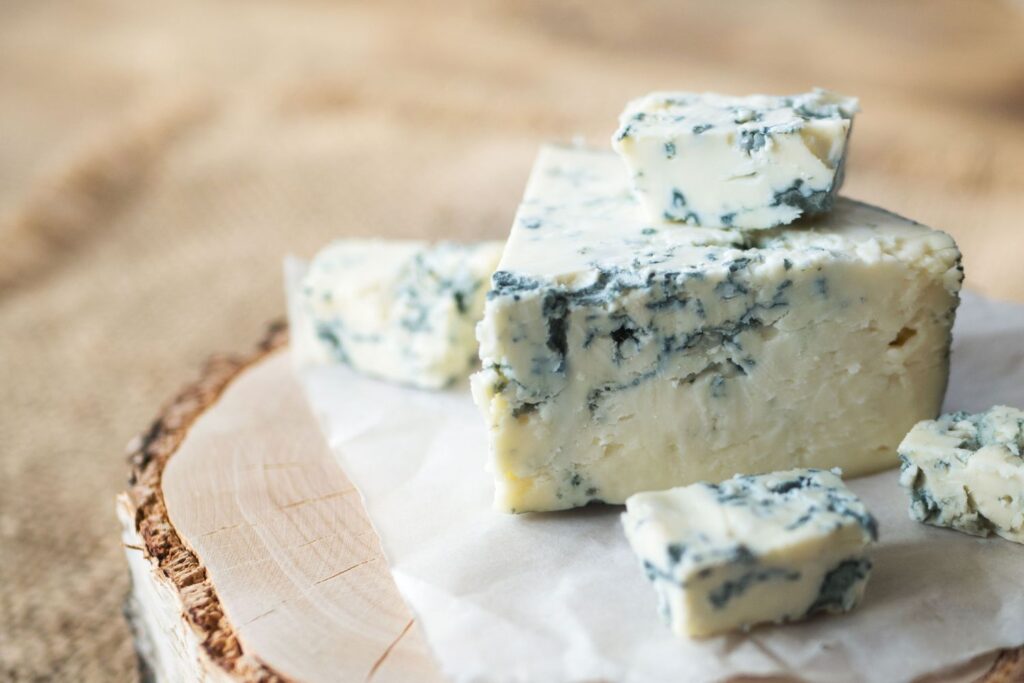
Indeed, such cheese products do exist in reality. The misconception that needs correction is the fact that Masgonzola represents a different cheese type in Italy, distinct from the one referred to as Gorgonzola.
That difference matters.
Gorgonzola has a protected designation of origin and a defined production system. The Gorgonzola PDO Consortium describes production using pasteurized whole cow’s milk, milk cultures, rennet and Penicillium spores, followed by salting and controlled maturation.
Masgonzola does not have that same clearly defined PDO identity in the sources reviewed for this article.
Instead, commercial cheese makers make special Gorgonzola-and-mascarpone products. CasArrigoni, for instance, describes a product in which layers of mascarpone and mild Gorgonzola cheese alternate. Valsana also lists a cream cheese made of Gorgonzola and mascarpone arranged in horizontal layers.
That is a much safer way to understand the name.
It is a real food combination. It simply should not be confused with a single protected cheese with one mandatory recipe.
Why is the name Masgonzola so confusing?
Because it sounds official.
“Gorgonzola” is an established cheese name with a very specific identity. Add “mas” at the beginning and it is easy to assume that Masgonzola must be another historic regional cheese.
The evidence points somewhere simpler.
Products incorporating the combination have been marketed and described under a number of different names. One commercial listing describes it as Gorgonzola and Masc and another as Gorgonzola al Mascarpone, while a Swiss supermarket listing promotes the sale of Gorgonzola e Mascarpone.
It is here that mislabeling could become an issue for the reader. A food term can look like the name of a regional cheese even when it is really describing a combination of two established products.
So the useful question is not “Where is the ancient Masgonzola region?”
It is: What does the package actually say it contains?
What are Masgonzola cheese ingredients?
Ingredients vary according to product type and may not be the same for every item labeled as Masgonzola.
This is one of the reasons why checking the individual label is better.
Description The product Cas Arrigoni Gorgonzola-and-mascarpone (1) contains cow’s milk, salt and rennet. Sapori d’ Italia Gorgonzola & Mascarpone (2), in the Coops online store website has description like the below; Contents of the product are Gorgonzola 50% & Mascarpone 50%. Under each cheese is written its ingredients:.
The crucial factor is that the components will be based on the particular commercial product.
It would be wrong to assume that all Masgonzolas use identical ratios of Gorgonzola production and mascarpone, the same cultures, and the same processes.
What does Masgonzola taste like?
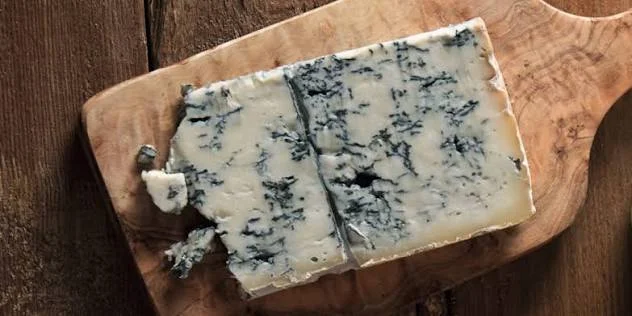
If plain Gorgonzola feels too assertive for your taste, Masgonzola-style cheese is easier to approach.
The mascarpone brings an alteration to the experience. Rather than getting hit right away by the intensity of the blue cheese, you also have a thick creaminess that complements the flavors of Gorgonzola.
As described by CasArrigoni, the mascarpone is sweet and creamy, with a mild flavor and milk aftertaste, whereas the mild Gorgonzola cheese gives the strong flavor characteristic of blue-veined cheese.
A sneak peek at the flavor matchup for you
Mascarpone: creamy, delicate, buttery
Gorgonzola: blue cheese characteristics; taste and more acute fragrance.
Tastes: The Gorgonzola has rich, creamy, cheesy first followed by salty tang of the blue cheese.
The precise mix varies depending on the product.
The variation where more mascarpone is used will definitely be softer and creamier. The variation that has a stronger Gorgonzola flavor profile will have the opposite effect.
Masgonzola vs. Gorgonzola: what is the difference?
Here’s the key distinction
The blue cheese is the gorgonzola. Masgonzola is a mix between Gorgonzola and mascarpone cheese.
Typical Features of Gorgonzola PDO The Gorgonzola PDO cheese is a historic craft product. Its manufacture follows production requirements, defined in a production and regional area by the production specifications approved by European Institutions. Technical details on gorgonzolaPDO 14 The particular specifications of area and production to respect would include for example the provenance of the milk, amongst others. Source of the milk: The milk is obtained from the provinces of some regions of Lombardy and Piedmont.
Masgonzola-style products use that Gorgonzola character differently. Instead of simply topping off this dish with blue cheese on the side, the cheese is blended into the mascarpone so you have a creamier finish result.
As such these terms may not be exactly identical.
Using a subtler gorgonzola mixed with a mild cheese such as mascarpone will result in a milder flavor and softer consistency.
That difference might actually be exactly what you need in an even creamier blue cheese sauce.
Masgonzola and mascarpone: are they the same thing?
No.
Mascarpone is one component. Masgonzola refers to the combination.
This is not a diffiBut Gorgonzola and mascarpone products offer the two sides of the equation.
If you prefer the taste of mascarpone cheese, you will lovemascarp if you dislike the flavour of blue cheese.
Gorgonzola is perfect if you’re a lover of blue cheese.
If you can’t have both, buy a Gorgonzola mascarpone product.
How is Masgonzola made?

This is another area where online descriptions can make things unnecessarily complicated.
Masgonzola-style cheese is not best described as one completely separate cheese that goes through a universal Masgonzola aging process. Commercial examples show the two components being combined, including products made with alternating layers of mascarpone and Gorgonzola.
The Gorgonzola itself underwent the cheese-making process. The production description of Gorgonzola PDO states that the product consists of milk, cultures, rennet and Penicillium spores, followed by the formation of the curd, draining, salting and controlled maturation. The cheese is subjected to air introduction during maturation to allow the typical blue-green veining to develop.
With the gorgonzola element prepared, it can then be mixed with the mascarpone to make the final speciality.
That is why it is misleading to invent one universal Masgonzola aging period. The aging belongs largely to the established Gorgonzola component and the specific manufacturing process.
What are the best Masgonzola uses?
Now, is when it gets cheese.
It has a delightful creamy texture too, so is an ideal choice if you desire blue cheese flavour but not the chunkiness.
And there you have it, with bread and crackers on the side. You could also use it to sweeten strong-tasting blue cheese or add pear or any other fruit (fresh, or even dried) to it.
For cooking, the same creamy character makes Gorgonzola-and-mascarpone product useful in pasta and risotto. Commercial sources specifically describe these products for cooking and serving with bread, while recipe sources use Masgonzola in dishes including ravioli and risotto.
An easy pasta sauce may be one of the simplest means to comprehend the lure.
Add in a splash of milk or some of your hot pasta water, then mix it all in with your hot pasta. And voila: The blue cheese taste without first melting the Gorgonzola and stirring it into the mascarpone.
And for the additions: when assembling your cheese board keep the sides clean and minimal – bread, crackers, pears, grapes, some walnuts or a drizzle of honey.
What should you drink with Masgonzola?
Works perfectly to drink with. It is good to clean your mouth a little after. Thanks to the flavors of the cheese and it’s creaminess from blue cheese in the recipe.
If you’re keen on a fizzy and tangy drink chilled Prosecco would be a good option. Pinot Grigio will be your best friend if you’re a fan of white wine that is on the bitter side.
But for the cheese honey combination, or a cheese pear or with dried fruits, you already are putting sugar on them and this takes an important place for the combination.
With more of an entertaining platter of cheese, I think I would be looking for a more full bodied wine that would stand up to it.
Where can you buy Masgonzola?

This is likely the most important thing for you to know before you begin shopping.
Do not search only for the word “Masgonzola.”
Seek out:
Formaggio Gorgonzola
e Mascarpone
Mascarpone and Gorgonzola
These names are real products too. The gorgonzola and mascarpone is sold by Cas Arrigoni. “The specialty Gorgonzola e mascarpone” is sold under the Ciresa brand and “Gorgonzola e Mascarpone 200g line” under the Coop Switzerland brand.
If someone asked for Gorgonzola with mascarpone at the Specialty Cheese Aisle it’s much better than a request for Masgonzola.
LOCATION-DEPENDENT (CHECK PRODUCTLIST FOR ANY OUTINGS OR TRAVEL).
Is Masgonzola worth trying?
And If you’re already a huge fan of Gorgonzola and looking to soften things up just a touch, well this is a no-brainer from a foodie point of view.
if the blue cheese face punch is not your idea of a good time then you might want to find out about those Masgonzola products although, as I said earlier, maybe these don’t take the whole cheese thing too seriously. The Gorgonzola remains part of the product, and commercial versions can differ in intensity.
In the simplest possible terms the story here really is much, much more simple than it looks.
No new cheese. Masgonzola, that mascarpone-Gorgonzola mix just happens to make for one of the latest additions to the family of DOP cheeses, not a new form of the dairy species.
If you cannot find “Masgonzola” on a label, search for Gorgonzola e Mascarpone instead — that is the practical next step.
(FAQs)
1 What is Masgonzola?
Masgonzola is basically a mixture of Gorgonzola and mascarpone. There could be variations in which layers of Gorgonzola and mascarpone could be included, but it still depends upon the specific product.
2 Are Masgonzola and Gorgonzola identical?
No. Gorgonzola cheese is a traditional blue-veined cheese that has been granted protection, whereas Masgonzola is a type of cheese that is made using a combination of Gorgonzola
3 What does Masgonzola taste like?
It includes the creamy and buttery nature of mascarpone along with the strong savory flavor of Gorgonzola. The balance varies between products.
4 What are Masgonzola cheese ingredients?
There is no general ingredient list. Real products may include Gorgonzola, mascarpone, cow’s milk, salt and rennet, but specific formulations can include other ingredients, depending on how the mascarpone and Gorgonzola are made.
5 Is Masgonzola an alternative for Gorgonzola?
You can use them in some creamy dishes, but the outcome would be more soft and creamy because of the mascarpone. For a recipe that depends on the stronger character of Gorgonzola, use the specific cheese requested.
Conclusion
if you encounter the word Masgonzola, do not spend too much time trying to identify an obscure cheese region behind the name. Look for the actual composition — Gorgonzola plus mascarpone — and judge the specific product from its label, producer and ingredients.



Comments 2